Why Is My Pet Sneezing? Common Causes and When to Call the Vet
Why Is My Pet Sneezing? Common Causes and When to Call the Vet
If your dog or cat has suddenly started sneezing more than usual, you’re not alone in your concern. Pet parents throughout Tampa and surrounding communities often wonder what’s behind that burst of sneezes and when it’s time to reach out to a veterinarian. At Wellswood Midtown Animal Hospital, we understand how unsettling it can be to see your beloved companion experiencing new symptoms. Our AAHA-accredited team in Tampa is here to help you decode the many pet sneezing causes, what’s normal, and when a more serious issue may be at play.
This guide will walk you through common reasons your dog or cat may be sneezing, how to spot warning signs that suggest a veterinary visit is needed, and what you can expect from a wellness examination for sneezing issues. We’ll also share tips on prevention, home care strategies, and how our veterinary professionals support your pet’s health every step of the way. Whether you’re searching for a "vet near me" or simply want to be prepared for your pet’s next sneeze, you’ll find the answers you need to keep your furry family member comfortable and healthy.
If you’re noticing persistent sneezing, nasal discharge, or other concerning symptoms, consider booking a wellness examination with our veterinarians in Tampa for peace of mind. Early action can make all the difference in your pet’s comfort and wellbeing.
Recognizing the Signs: When Is Sneezing a Concern for Your Pet?
A single sneeze from your dog or cat is usually nothing to worry about. Pets, just like people, can sneeze from a tickle in the nose or a bit of dust. However, when sneezing becomes frequent or is paired with other symptoms, it’s time to pay closer attention. Key signs that indicate a potential problem include sneezing that happens multiple times a day or continues for several days. Other symptoms to watch for are clear or colored nasal discharge, blood coming from the nose, congestion, noisy breathing, or coughing. You may also notice your pet pawing at their face, acting lethargic, or losing interest in food.
If your cat or dog seems otherwise healthy and happy, a few sneezes on their own are generally harmless. But when sneezing is persistent or is accompanied by changes in appetite, energy, or breathing, it’s important to consider scheduling a visit with a qualified veterinary team. Recognizing these early signs and seeking veterinary diagnostics in Tampa can help identify the cause before it becomes a more serious health issue.
Understanding Pet Sneezing Causes: Why Is Your Dog or Cat Sneezing?
There are many pet sneezing causes, and understanding them can help you make informed decisions about your pet’s care. In Tampa, where pollen and environmental allergens are common year-round, allergies are a frequent culprit. Pets may react to pollens, dust mites, mold spores, or even household cleaning products. Other common causes include upper respiratory infections, which can be viral or bacterial in nature. These infections are especially common in multi-pet households or after trips to grooming or boarding facilities.
Foreign bodies, such as a blade of grass or a small piece of debris, can sometimes become lodged in a pet’s nasal passages, leading to sudden, repeated sneezing fits. Dental disease is another often-overlooked cause, as dental infections or abscesses can extend into the nasal cavity, particularly in older pets. Irritants like smoke from candles, litter dust, or strong perfumes can also trigger sneezing episodes.
In rare cases, more serious issues such as nasal tumors, polyps, or immune-mediated diseases may be at the root of persistent sneezing. Because the range of causes is broad, seeking veterinary diagnostics near you is always the safest way to ensure your pet gets the right care. You can also learn more about pet allergy testing services if you suspect allergies are playing a role in your pet’s symptoms.
Seasonal and Environmental Factors in Tampa
The Tampa climate, with its warm weather and occasional high humidity, means pets are exposed to a variety of allergens and environmental triggers. During spring and fall, pollen counts rise, which can increase the frequency of allergy-related sneezing. Even indoor pets can be affected by mold spores or dust circulating through air conditioning systems. By recognizing how local conditions impact your pet, you can better anticipate and manage sneezing episodes.
How Veterinarians Diagnose and Treat Sneezing in Pets
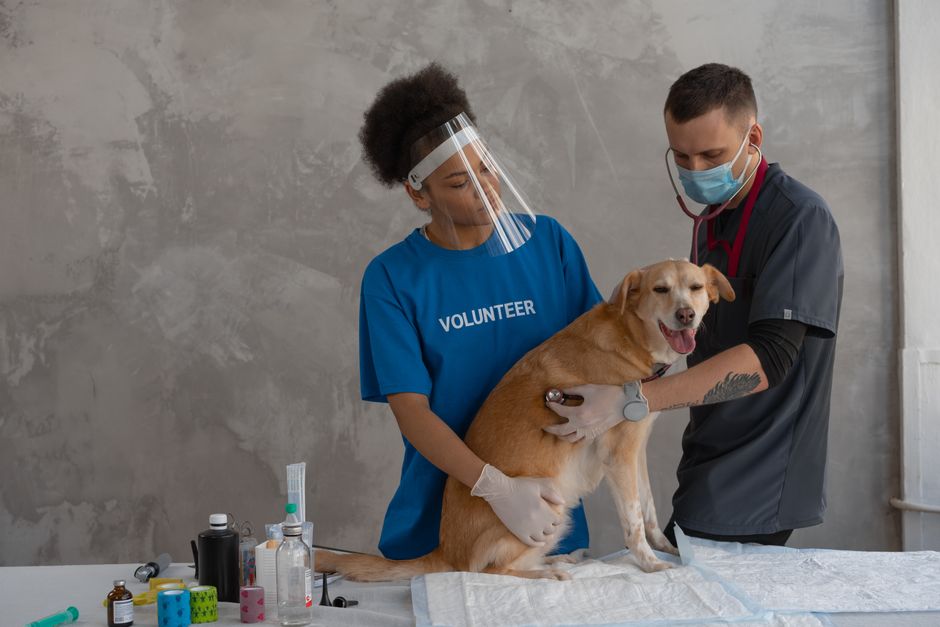
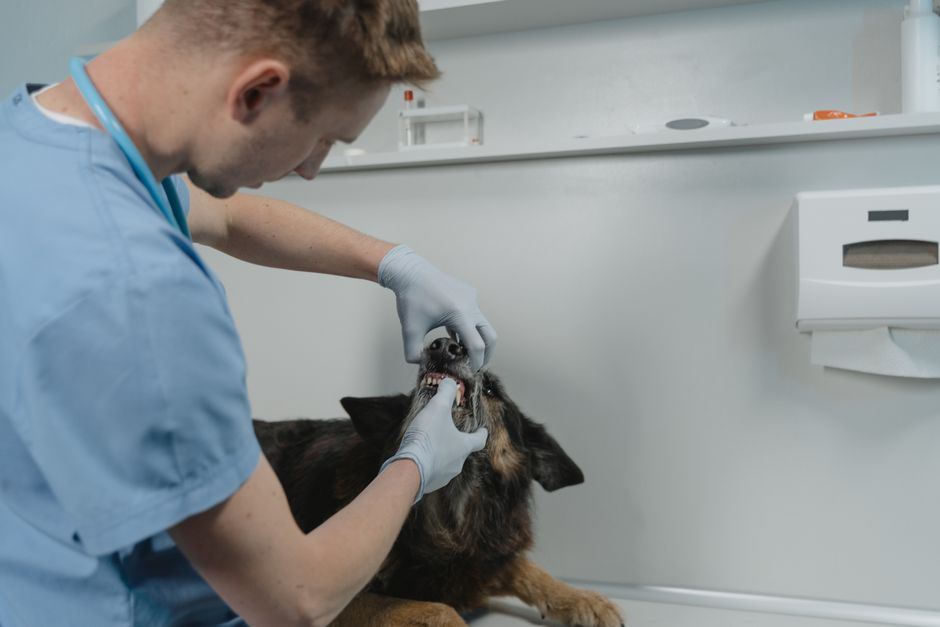
When you bring your dog or cat to Wellswood Midtown Animal Hospital for repeated sneezing, our veterinary professionals will start with a thorough health history and physical exam. The process often involves discussing when the sneezing began, how often it occurs, and whether your pet has been exposed to new environments or animals. Diagnostic steps may include a close examination of the nose and mouth, listening to the lungs, and checking for signs of infection or dental disease.
Further diagnostics may be recommended if symptoms are persistent or severe. These can include laboratory testing to assess for infections or underlying conditions, digital radiology to get a clear view of the nasal passages and sinuses, and sometimes advanced imaging or endoscopy for complex cases. The goal is to pinpoint the exact cause so that treatment can be targeted and effective. To learn more, you can explore our pet laboratory diagnostics services or read about digital radiology for respiratory concerns.
Treatment will depend on the underlying cause. For allergies, veterinarians may recommend antihistamines, changes to the pet’s environment, or even immunotherapy in chronic cases. Infections are typically managed with antibiotics or antivirals when appropriate. If a foreign object is detected, gentle removal may be performed under sedation. Dental-related sneezing might require dental cleaning or even tooth extraction to resolve the infection. In more serious cases involving tumors or polyps, referral to a specialist for advanced care may be suggested.
What to Expect During Your Pet’s Visit
During your consultation, the veterinary team will explain each step of the diagnostic process and answer any questions you may have. You can expect compassionate care focused on minimizing stress for your pet, as well as clear communication about treatment options, prognosis, and follow-up care. Our commitment to quality veterinary services in Tampa means your pet’s comfort and health always come first.
Preventing Sneezing Episodes: Home Care Tips for Pet Owners
While not all pet sneezing causes are preventable, there are several practical steps you can take at home to reduce your pet’s risk of frequent sneezing. Keeping your home clean and free from dust and mold, using unscented cleaning products, and minimizing exposure to cigarette smoke or strong perfumes can help limit environmental triggers. Regularly washing your pet’s bedding and vacuuming with a HEPA filter are also effective strategies.
For pets prone to allergies, keeping windows closed during high pollen seasons and bathing your dog after outdoor play can decrease allergen buildup. For cats, choosing low-dust litter and cleaning the litter box frequently can make a significant difference. Scheduling regular dental cleanings and checkups with your veterinarian can prevent dental disease, a hidden cause of sneezing in many older pets.
If you notice occasional sneezing without any other symptoms, try to observe your pet’s environment for new potential irritants. However, if sneezing is persistent or your pet shows other signs of illness, it’s always safest to reach out to a veterinarian near you for a comprehensive evaluation.
When to Visit the Vet: Recognizing the Need for Professional Care
Knowing when to visit the vet for sneezing can give you peace of mind and protect your pet’s health. You should schedule an appointment if your pet’s sneezing is frequent, lasts more than a few days, or is associated with nasal discharge, blood, coughing, labored breathing, loss of appetite, or changes in behavior. Recurrent sneezing in puppies, kittens, or senior pets is another reason to seek prompt veterinary attention, as their immune systems may be more vulnerable.
In Tampa, where pets are exposed to unique environmental allergens and infectious agents, timely care is especially important. Early intervention allows for more effective treatment and can prevent minor issues from developing into serious health problems. If you notice any of these warning signs, our veterinary professionals are ready to help. You can request an appointment online for your convenience or call us for personalized guidance.
When searching for a "quality vet near me" or "veterinary diagnostics in Tampa," remember that Wellswood Midtown Animal Hospital is committed to supporting your pet’s health at every stage.
Supporting Your Pet’s Respiratory Health in Tampa and Beyond
Frequent sneezing in your dog or cat can be unsettling, but with the right knowledge and veterinary support, most causes can be managed effectively. Paying attention to patterns in your pet’s sneezing, keeping their environment clean, and scheduling regular checkups are the best ways to promote respiratory health. If you notice persistent sneezing or other concerning symptoms, our AAHA-accredited veterinary team in Tampa is here to help with comprehensive care and advanced diagnostics.
We encourage you to schedule a wellness examination if your pet is sneezing often or showing any changes in health. Our veterinarians will work with you to find answers and provide relief. For trusted guidance and high-quality veterinary services near you, contact Wellswood Midtown Animal Hospital today. You can call (813) 877-1979 to set up an appointment or explore our wellness examination services for more information. If you’re looking for the best vet near me or want to learn more about pet sneezing causes in Tampa, our veterinary professionals are always here to help your pet live their healthiest, happiest life.
This article is intended for educational purposes only and is not a substitute for professional veterinary care. If your pet is experiencing severe symptoms, seek veterinary attention promptly. For more resources, visit our veterinary resources page or consult your veterinarian directly.