October Pet Dental Care Tips for Tampa Dog and Cat Owners
October Pet Dental Care Tips for Tampa Dog and Cat Owners
As fall arrives in Tampa, many dog and cat owners shift their focus to seasonal fun and holiday plans. However, October is also an ideal time to pay attention to your pet’s dental health. Dental disease is one of the most common health problems affecting companion animals, yet it often goes unnoticed until it causes pain or health complications. At Wellswood Midtown Animal Hospital, located at 4129 N Armenia Ave # A, Tampa, FL 33607, our team of veterinarians is dedicated to helping you protect your pet’s oral health year-round. In this guide, we’ll cover early warning signs of dental disease, why professional dental care matters, practical tips for home dental care, and how regular checkups with our veterinary team can keep your dog or cat comfortable and thriving. If you’re curious about dental cleanings, tooth extractions, or preventive care, you’ll find expert information tailored specifically for Tampa’s pet owners.
Recognizing Dental Disease in Dogs and Cats
Many pet owners are surprised to learn that dental disease can start early in life and progress quietly. By the time you notice foul breath or visible tartar, your pet’s gums and teeth may already be suffering. Key symptoms of dental disease in dogs and cats include persistent bad breath, red or swollen gums, yellow or brown buildup on teeth, reluctance to chew or play with toys, drooling, pawing at the mouth, or changes in eating habits such as dropping food or favoring one side of the mouth. Some pets may even become irritable or withdrawn if their mouths are uncomfortable. If your dog or cat begins to show any of these signs, it’s important to schedule a wellness examination with our veterinary team promptly. Early intervention can make a significant difference in your pet’s comfort and long-term health.
Subtle Signs to Watch For
Not all dental issues present with dramatic symptoms. Some pets may simply eat more slowly, seem less playful, or resist having their mouths touched. Owners might notice a change in their pet’s normal behavior, such as hiding or avoiding crunchy treats they once enjoyed. Because dogs and cats are instinctively good at hiding pain, regular oral exams by a veterinarian are crucial to catching dental disease before it becomes severe.
Why Dental Disease Happens: Understanding the Causes
Dental disease in pets nearly always begins with plaque—a sticky film composed of bacteria, food particles, and saliva that coats the teeth. When plaque is not removed, it hardens into tartar, which irritates the gums and creates a perfect environment for bacteria to flourish. Over time, this bacteria invades below the gumline, leading to gingivitis (gum inflammation), periodontitis (loss of the tissues and bone that support the teeth), and eventually loose or infected teeth. Contributing factors include genetics, age, breed, diet, and even certain medical conditions. For example, small breeds and cats are often more prone to dental issues because their teeth are more crowded or their mouths are smaller. In Tampa’s warm climate, pets may also drink more water or eat foods that don’t naturally scrape teeth, which can allow plaque to accumulate more quickly.
The Impact on Overall Health
Oral health is not just about fresh breath. Dental disease can allow harmful bacteria to enter the bloodstream, potentially affecting the heart, liver, and kidneys. For this reason, maintaining your pet’s oral health is an important part of comprehensive preventive care—keeping your dog or cat healthier for years to come.
Professional Dental Care: What to Expect at Wellswood Midtown Animal Hospital
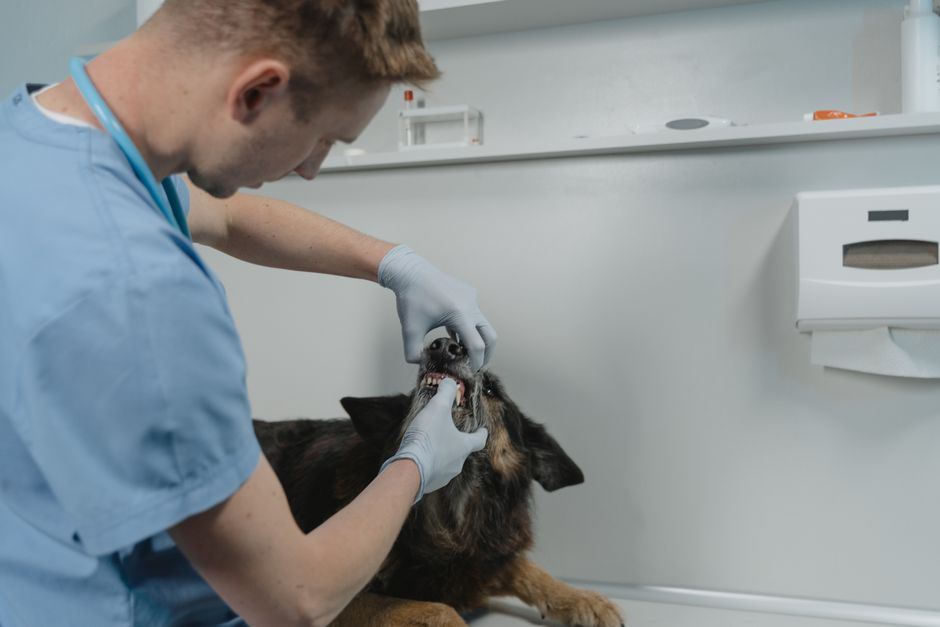
When you bring your pet to Wellswood Midtown Animal Hospital for dental care, our veterinary professionals follow AAHA-recommended guidelines to ensure safety and thoroughness. A typical dental cleaning begins with a full oral examination, often aided by dental radiographs, which let us see below the gumline to identify hidden problems such as root infections or bone loss. Pets are anesthetized for their safety and comfort, allowing our team to clean all tooth surfaces, remove tartar, and carefully examine every tooth.
If a tooth is severely damaged or infected, a veterinary tooth extraction may be needed to relieve pain and prevent further complications. Our veterinarians are experienced in gentle, effective extractions and will discuss all options with you in advance. In cases where more advanced care is necessary, such as oral surgery or complicated extractions, we offer a range of pet dental surgery services to restore your pet’s comfort and health.
Why Anesthesia Is Important
Many owners worry about anesthesia, but it is essential for a safe, thorough dental cleaning. Awake pets cannot tolerate the tools or the time required to remove plaque beneath the gumline; anesthesia allows us to protect your pet’s airway and minimize stress. At Wellswood Midtown Animal Hospital, we use modern, individualized protocols to keep anesthesia as safe as possible for your pet.
Home Dental Care: What You Can Do Between Visits
While professional cleanings are vital, your daily care at home plays a huge role in preventing dental disease. Brushing your pet’s teeth is the gold standard for removing plaque before it can harden into tartar. Using a soft-bristled pet toothbrush and veterinary-approved toothpaste, aim for daily brushing, but even a few times a week can make a big difference. If brushing is new for your pet, introduce it gradually with patience and positive reinforcement.
Dental chews and treats designed to reduce tartar can also help, though they are not a substitute for brushing. Look for products approved by the Veterinary Oral Health Council (VOHC), which meet standards for effectiveness. Water additives, dental diets, and oral rinses may further support your pet’s dental health, especially for pets who are resistant to brushing.
Creating a Dental Routine That Works for Your Pet
Every dog and cat is different, so consistency is key. Some pets enjoy the process and quickly adapt, while others need more encouragement. Try brushing at the same time each day, using gentle praise and tasty rewards. Even if your pet resists at first, keep sessions short and positive, and celebrate small steps. Your efforts at home, combined with professional care, will help keep your pet’s mouth healthier and their breath fresher.
When to Schedule Professional Dental Care
The best time to schedule a dental cleaning is before problems develop. At Wellswood Midtown Animal Hospital, our veterinarians recommend regular dental evaluations as part of your pet’s routine wellness examination. Most dogs and cats benefit from professional cleanings once a year, but some may need more frequent care based on their age, breed, or oral health history.
If your pet shows signs of dental disease—such as bad breath, red gums, tartar buildup, or changes in eating—do not wait for their next annual exam. Prompt evaluation and treatment can prevent pain and stop dental disease from progressing. Our team is here to answer your questions and help you decide when a professional cleaning or further treatment is needed.
The Importance of Regular Check-Ups
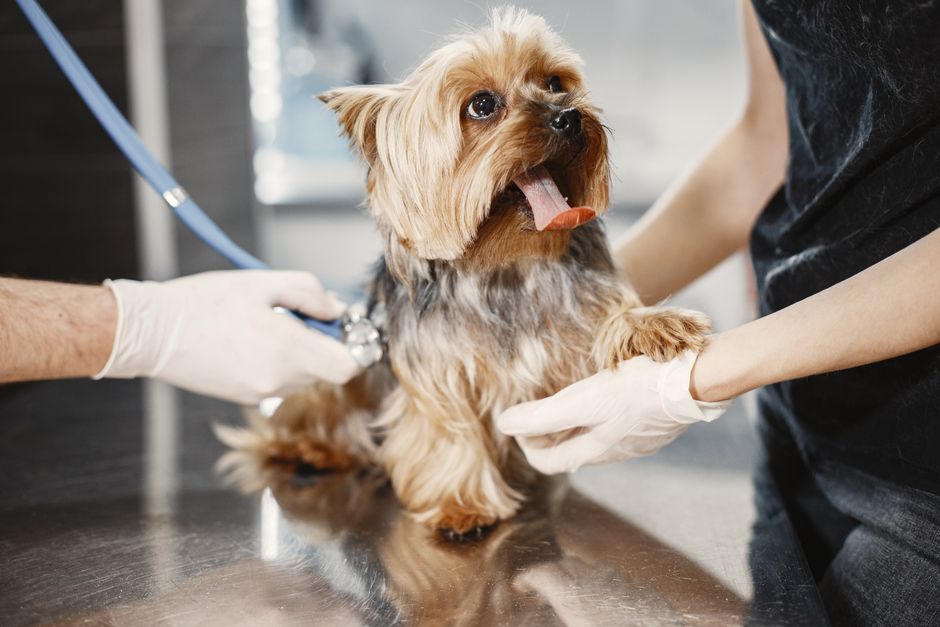
Just as with humans, regular check-ups catch problems early and make treatment easier. During your pet’s wellness visit, our veterinarians will examine their mouth, teeth, and gums, and recommend next steps tailored to their unique needs. This proactive approach helps your pet avoid discomfort and supports their overall wellbeing.
Why Choose Wellswood Midtown Animal Hospital for Your Pet’s Dental Health?
As an AAHA-accredited hospital in Tampa, Wellswood Midtown Animal Hospital is committed to providing the highest standards of veterinary dental care. Our team of veterinarians uses advanced technology—including dental radiographs and modern anesthesia protocols—to ensure safe, thorough cleanings and treatments. We take the time to answer your questions, explain your pet’s dental needs, and work with you to create a personalized care plan. Whether your pet needs a routine cleaning, help with a painful tooth, or ongoing support for chronic dental issues, you can trust us to keep their comfort and health at the forefront.
Take the Next Step for Your Pet’s Smile
This October, make your pet’s dental health a priority. Watch for early signs of dental disease, brush your pet’s teeth regularly, and schedule professional cleanings as recommended. If you notice any symptoms discussed above, or if you’re looking for a “vet near me” who truly understands the needs of Tampa’s dogs and cats, Wellswood Midtown Animal Hospital is here to help. Our veterinary professionals offer compassionate, comprehensive dental care and preventive services to keep your pet smiling all year long.
Ready to schedule a dental cleaning, wellness exam, or simply have questions about your pet’s oral health? Contact our team at (813) 877-1979 or visit us at 4129 N Armenia Ave # A, Tampa, FL 33607. You can also learn more about our dog and cat teeth cleaning services in Tampa online. At Wellswood Midtown Animal Hospital, we look forward to supporting your pet’s lifelong health—one happy smile at a time.
This article is for informational purposes only and is not a substitute for professional veterinary advice. If your pet is showing signs of illness or discomfort, please contact your veterinarian promptly.