Preventing Heat-Related Illnesses in Tampa Pets This Spring
Preventing Heat-Related Illnesses in Tampa Pets This Spring
Springtime in Tampa brings beautiful, sunny days and a welcome break from winter's chill, but it also signals the arrival of rising temperatures that can put your pets at risk for heat-related illnesses. At Wellswood Midtown Animal Hospital, located at 4129 N Armenia Ave # A, Tampa, FL 33607, our veterinary team is dedicated to helping you keep your dogs and cats healthy and comfortable as the weather warms. Understanding the dangers of heatstroke and dehydration, as well as the simple steps you can take to prevent them, is crucial for every pet owner in Tampa and surrounding communities. In this blog, we will explore how Tampa’s spring climate affects your pet’s health, the warning signs of overheating, and practical advice for safe outdoor activities. We will also discuss when to seek veterinary care and how regular wellness examinations can help safeguard your pet’s health throughout the season.
Recognizing the Signs of Heat-Related Illness in Pets
Spring in Tampa often comes with unseasonably warm afternoons and sudden humidity spikes that can catch both pets and owners off guard. Dogs and cats are particularly vulnerable to heat-related issues because their bodies are not as efficient at cooling as humans. Recognizing the early signs of overheating is essential; symptoms include excessive panting, drooling, and restlessness. You might notice your dog seeking shade or appearing lethargic after a short walk, while cats may retreat to cool, hidden spots and show less interest in play.
As heat stress progresses, more severe signs can develop. These include vomiting, diarrhea, rapid heartbeat, and bright red or pale gums. In advanced cases, pets may collapse, have trouble breathing, or experience seizures. If you observe any of these symptoms, it is imperative to act quickly. Prompt recognition and intervention can mean the difference between a mild episode and a life-threatening emergency.
Why Do Pets in Tampa Face Higher Risks in Spring?
Tampa’s spring climate is known for its sudden temperature increases, high humidity, and intense sunshine, all of which can be challenging for pets. Unlike people, dogs and cats do not sweat through their skin; instead, they rely on panting and, to a small extent, sweating through their paw pads to release heat. This means that even moderate outdoor temperatures can quickly turn dangerous, especially if your pet is playing, exercising, or simply walking on hot pavement.
Certain pets are at even greater risk. Puppies, senior animals, pets with thick coats, brachycephalic breeds (such as Bulldogs, Pugs, and Persians), and those with underlying medical conditions are especially susceptible to heatstroke. For example, a bulldog enjoying a midday walk in Midtown Tampa may become overheated far more quickly than a healthy young mixed-breed dog. Additionally, pets left in parked cars, even for a few minutes, face extreme danger as interior temperatures can skyrocket in the Florida sun.
Treatment and Professional Care for Heat-Related Illness
If your pet shows signs of heatstroke or severe dehydration, immediate action is critical. The first step at home involves moving your pet to a shaded, cool area and offering small amounts of fresh water. You can also use cool (not cold) damp towels placed on their paws, armpits, and groin to help lower their body temperature. However, it is vital not to use ice or very cold water, as rapid cooling can cause additional complications.
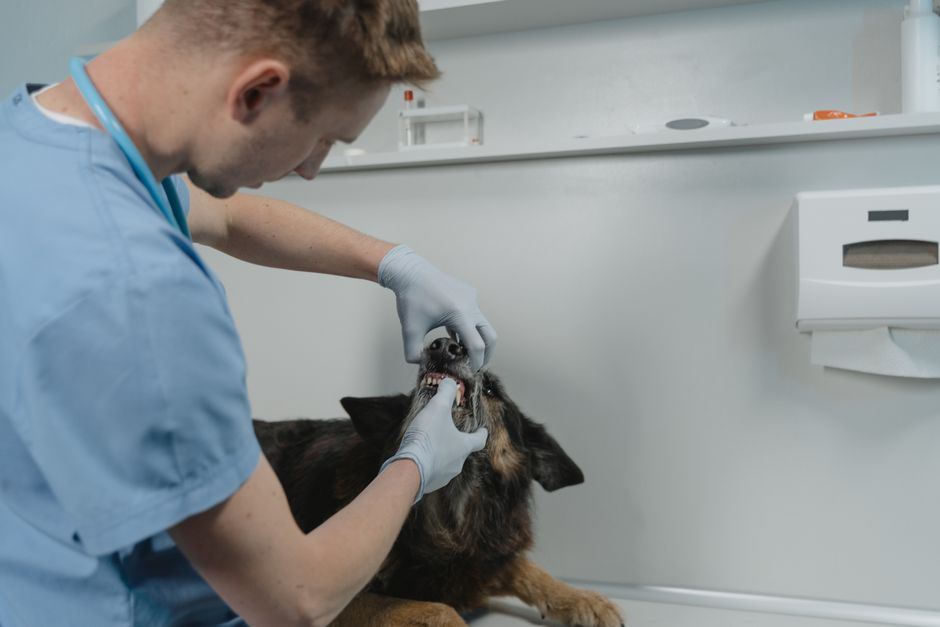
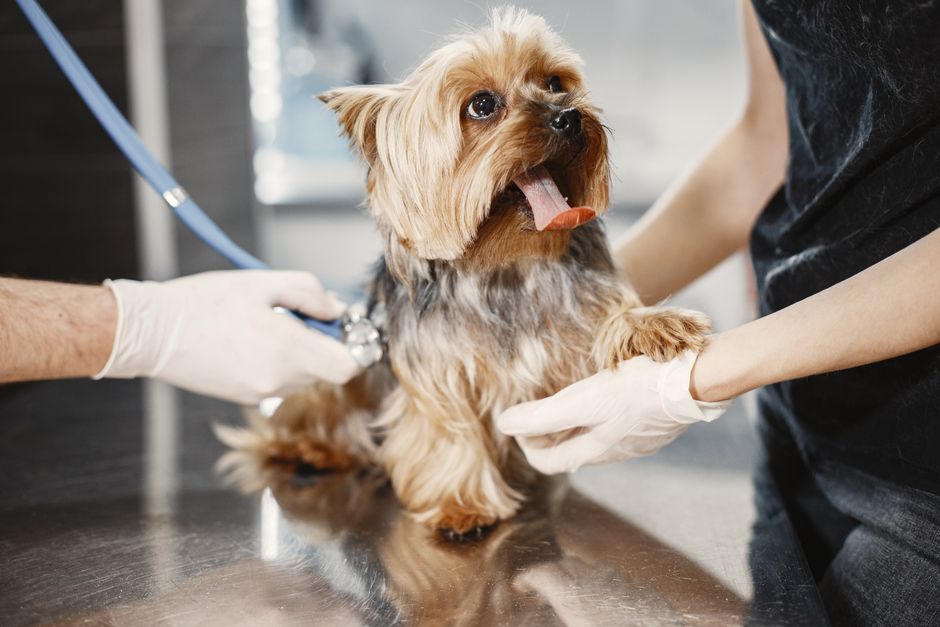
Professional veterinary care is essential when pets display signs of moderate to severe heat stress. At Wellswood Midtown Animal Hospital, our veterinarians are trained to assess and treat heat-related conditions using advanced diagnostics and supportive therapies. Treatment approaches often involve intravenous fluids to restore hydration, oxygen therapy for breathing difficulties, and careful monitoring for organ damage or secondary complications. Our diagnostic laboratory services allow us to quickly evaluate your pet’s condition and provide tailored care in our AAHA-accredited facility.
It is important to note that delaying professional care can lead to irreversible organ damage or even death. If you are unsure whether your pet’s symptoms are serious, it is always safer to err on the side of caution and call your veterinarian for advice.
Preventing Heatstroke and Dehydration: What Pet Owners Can Do
Prevention is the best defense against heat-related illnesses. As a Tampa pet owner, you can take several proactive steps to keep your dog or cat safe this spring. First, try to schedule walks and outdoor playtime during the cooler parts of the day, such as early morning or late evening. Avoid midday outings when the sun’s rays are most intense, and always provide access to fresh, clean water both indoors and outdoors.
When planning outdoor activities, pay attention to the surfaces your pet walks on. Asphalt and concrete can become extremely hot, causing burns to sensitive paw pads and contributing to body overheating. If the ground is too hot for your hand, it is too hot for your pet’s paws. Shade, cooling mats, and well-ventilated areas are essential for outdoor comfort.
At home, make sure your pet has a cool, quiet place to retreat from the heat. For dogs that love car rides, remember that even a short time in a parked vehicle can be fatal; never leave your pet unattended in a car, even with the windows slightly open. For cats, ensure that indoor spaces remain well-ventilated and that windows are secure to prevent accidental escapes.
Certain breeds and health conditions require even more vigilance. If your pet has a history of respiratory issues, is overweight, or is on medications that affect hydration, speak with your veterinarian about personalized strategies for heat safety. Routine wellness examinations can help identify risk factors and allow our veterinary team to recommend preventive measures tailored to your pet’s needs.
When to Seek Veterinary Care for Heat-Related Illness
Knowing when to seek veterinary care can save your pet’s life. If your dog or cat is panting excessively, vomiting, unable to stand, or shows any neurological signs such as confusion or seizures, immediate veterinary attention is needed. Time is of the essence; call us at (813) 877-1979 or bring your pet to 4129 N Armenia Ave # A, Tampa, FL 33607 right away. If you are unsure whether your pet is experiencing a true emergency, our veterinary professionals can help assess the situation over the phone and provide guidance.
In less urgent situations, such as increased thirst or mild lethargy after outdoor time, schedule a wellness examination to ensure your pet’s overall health has not been compromised. Early intervention and ongoing monitoring are key to preventing complications.
Keeping Your Pets Safe and Happy This Spring
Spring in Tampa is a wonderful time to enjoy the outdoors with your pets, but it is important to recognize the risks that come with warmer weather. By staying alert to the signs of heat stress, understanding the unique climate challenges in our region, and taking proactive steps to prevent overheating and dehydration, you can help your pet thrive all season long.
At Wellswood Midtown Animal Hospital, our team of veterinarians is committed to providing expert guidance and personalized care to keep your pets healthy in every season. To ensure your pet is ready for Tampa’s spring, consider scheduling a wellness examination or discussing any concerns with our veterinary professionals. If you are searching for a trusted "vet near me," know that our clinic in Tampa and surrounding communities is here to help.
To book an appointment, give us a call at (813) 877-1979 or visit our website. Our dedicated veterinary team is always ready to answer your questions and provide the support your pets deserve. Remember, your pet’s health and comfort are our top priorities—let us partner with you to keep them safe as temperatures rise this spring.
This article is intended for informational purposes only and is not a substitute for professional veterinary advice. Always consult your veterinarian for concerns about your pet’s health or behavior. For more information on heat-related illnesses in pets, consult resources such as the American Veterinary Medical Association or speak with our veterinary team.