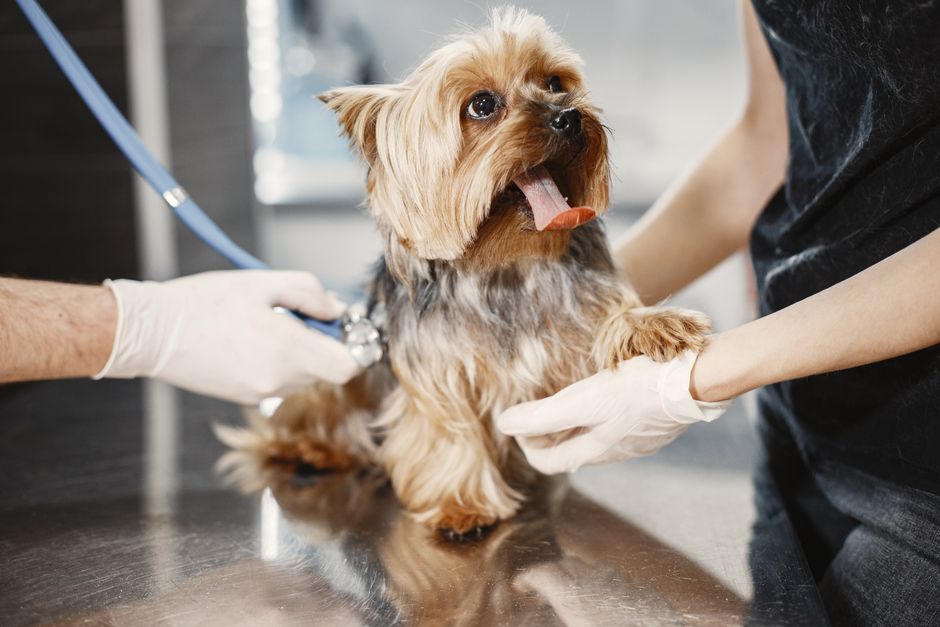
How to Keep Your Tampa Pet Cool and Safe in May
How to Keep Your Tampa Pet Cool and Safe in May
As May arrives in Tampa, FL, pet owners know the familiar shift: longer days, rising humidity, and temperatures that can soar in the blink of an eye. While many of us look forward to all the outdoor fun that summer brings, our dogs and cats face special risks as the Florida heat intensifies. At Wellswood Midtown Animal Hospital, we see firsthand how quickly warm weather can impact pet health. That's why our veterinarians encourage you to take proactive steps this season—protecting your pet from heatstroke, dehydration, and other dangers that often emerge as spring turns to summer. In this guide, we’ll explore how to recognize the warning signs of heat-related illness, explain why pets are so vulnerable to Tampa’s climate, and share practical, veterinarian-approved tips for keeping your furry friend safe and comfortable. Whether you’re new to Florida or a lifelong resident, understanding how to prevent hot weather emergencies is one of the best ways to help your pet thrive all year long. If you have concerns about your pet’s health as the weather changes, our team at 4129 N Armenia Ave # A, Tampa, FL 33607 is always ready to help with comprehensive care and advice.
Recognizing the Signs of Heat Stress in Dogs and Cats
It’s easy to underestimate just how quickly dogs and cats can overheat, especially in Tampa’s humid climate. As the days get warmer, knowing what to look for can make all the difference. Warning signs of heat stress in pets often include excessive panting, drooling, rapid breathing, and lethargy. Some pets may become weak or collapse, while others might vomit, develop diarrhea, or even have seizures in severe cases. Cats tend to hide when they feel unwell, so subtle changes like seeking cooler places, grooming excessively, or refusing to eat can be important early clues.
Certain pets are at even higher risk. Flat-faced breeds like Bulldogs, Pugs, and Persians have more difficulty breathing in the heat, as do elderly pets, those with chronic health conditions, and animals carrying extra weight. If you notice any of these symptoms, especially after time outside or in a warm home, it’s crucial to act quickly. Early recognition gives you the best chance to prevent a minor issue from turning into a life-threatening emergency.
Why Tampa Pets Are Especially Vulnerable in May
Florida’s unique climate poses special challenges for pets, and May is when those challenges start to ramp up. The combination of high temperatures and humidity makes it harder for dogs and cats to cool themselves. Unlike people, pets don’t sweat over most of their bodies. Dogs primarily release heat by panting, while cats rely on grooming and seeking shade. When humidity is high, these cooling methods become less effective, and body temperature can rise rapidly.
Outdoor activities, even a short walk or a car ride, can quickly become hazardous. Asphalt and concrete heat up fast, putting pets at risk for burned paw pads as well as overall overheating. Homes without adequate air conditioning, especially those with limited ventilation, can also become dangerously warm for pets left unattended. The risk is even greater for young puppies and kittens, senior pets, and those with medical conditions like heart disease or respiratory problems.
In Tampa, the weather can change quickly. Afternoon thunderstorms may leave the air muggy, while sudden heatwaves catch even experienced pet owners off guard. That’s why it’s vital to adjust your pet care routines as soon as the temperature begins to climb in May, rather than waiting until the peak of summer.
Treatment and Management of Heat-Related Illness
If you suspect your dog or cat is experiencing heatstroke or severe heat exhaustion, immediate action is required. The first step is to move your pet to a cooler environment, such as an air-conditioned room or a shaded area outside. Offer cool (not ice-cold) water in small amounts, and try to lower your pet’s body temperature by wetting their fur with lukewarm or cool water. Placing a fan nearby can also help improve air circulation.
However, heatstroke is a true veterinary emergency. Symptoms such as collapse, seizures, unresponsiveness, or vomiting require urgent professional care. Do not attempt to use ice baths or force large amounts of water, as this can cause further problems. Contact our veterinary team at Wellswood Midtown Animal Hospital right away if your pet shows any concerning signs. Our veterinarians are fully equipped to provide advanced care, including intravenous fluids, oxygen therapy, and continuous monitoring, which are often necessary to support recovery from heatstroke.
Even if your pet seems to recover quickly, complications such as kidney damage or clotting disorders can arise hours after the initial event. A prompt veterinary assessment allows us to check for internal problems and provide treatments that can make a life-saving difference. If you are ever in doubt about your pet’s symptoms, it is always better to err on the side of caution and schedule an urgent visit with our team.
Steps to Prevent Heatstroke and Dehydration at Home
Prevention is always the best medicine, especially when it comes to heat-related risks. There are several simple but highly effective steps you can take to keep your pet cool and comfortable as Tampa’s temperatures rise. Always provide unlimited access to fresh, clean water, both indoors and outdoors. Change water frequently, as bowls can heat up fast in the sun. Shade is a must if your pet spends time outside; consider adding a covered area or using a pet-safe sunshade to offer relief from direct sunlight.
Walk your dog early in the morning or later in the evening, when the pavement is cooler and the sun less intense. Test the ground with your hand; if it’s too hot for you, it’s too hot for your dog’s paws. Never leave your pet in a parked car, even for a few minutes. Temperatures can skyrocket to fatal levels in a short time, even with the windows cracked.
Grooming also plays a role in heat safety. Keeping your pet’s coat brushed and free of mats allows for better air circulation, but avoid shaving double-coated breeds, as their fur provides natural insulation against both heat and sunburn. For cats, regular brushing helps them self-groom more effectively, which is their main way of cooling down.
Indoor pets need special attention, too. Keep air conditioning running when possible, use fans to circulate air, and offer cool tile floors or damp towels for your pet to lay on. Some pets enjoy frozen treats or ice cubes in their water bowl, but always supervise to prevent choking.
Finally, maintaining your dog or cat’s overall health is one of the best ways to reduce heat-related risks. Scheduling a regular wellness examination ensures that our veterinarians can catch underlying issues that might make your pet more vulnerable to the heat, such as heart or respiratory conditions. Preventive care means your pet is better prepared to handle seasonal changes safely.
When Should You Seek Veterinary Care for Overheating?
Knowing when to seek professional help can save your pet’s life. Contact our veterinary team immediately if your dog or cat exhibits signs such as persistent panting, drooling, vomiting, diarrhea, weakness, confusion, collapse, or seizures after exposure to heat. Even mild symptoms can progress to a critical emergency if not treated promptly.
If your pet has a chronic health condition, is very young or old, or belongs to a breed known for heat sensitivity, it’s wise to be extra cautious. When in doubt, call our veterinarians for guidance. We can help you determine whether a visit is needed, and provide instructions for immediate care on the way to our hospital.
Remember, heatstroke can cause serious complications even after your pet seems to recover at home. Our diagnostic capabilities, including pet laboratory diagnostics, allow us to assess organ function and check for any hidden damage, ensuring the best outcome for your pet.
Keeping Your Pet Safe All Summer: Local Tips for Tampa Pet Owners
Tampa’s weather is part of what makes our city unique, but it also means pet owners must stay vigilant as temperatures rise. By planning walks during cooler hours, offering ample water and shade, and keeping up with regular veterinary care, you can help your dog or cat enjoy everything summer has to offer—safely. Consider discussing your pet’s specific needs with our veterinarians during your next visit to 4129 N Armenia Ave # A, Tampa, FL 33607. Our team can provide personalized advice and help you create a prevention plan tailored to your pet’s age, breed, and lifestyle.
If you’re searching for a veterinarian near me who understands the unique challenges of caring for pets in Tampa and surrounding communities, Wellswood Midtown Animal Hospital is here to help. Schedule a wellness examination to keep your pet healthy, ask about our Wellswood Wellness Plans, or call us with any questions about heat safety this season.
For more information or to book an appointment, call (813) 877-1979 or visit our website at wellswoodah.com. Together, we can help your pet stay cool, comfortable, and happy through every Tampa summer.
This blog is intended for informational purposes only and does not substitute for professional veterinary advice. If you are concerned about your pet’s health, please contact your veterinarian promptly for an evaluation.