Managing Pet Allergies During Tampa’s September Weather
Managing Pet Allergies During Tampa’s September Weather
Does your dog or cat seem extra itchy, sneezy, or uncomfortable as Tampa’s muggy September weather rolls in? If you notice your pet scratching, licking, or losing fur, you’re not alone. Seasonal allergies are a common struggle for pets in Florida’s humid climate, especially as environmental triggers peak in late summer and early fall. At Wellswood Midtown Animal Hospital, our veterinary team in Tampa, FL understands how frustrating allergies can be for both you and your pet. This guide will help you recognize allergy symptoms, understand the most common causes in our area, and learn how our veterinarians can help your furry companion feel comfortable all season long.
Whether your pet is experiencing mild skin irritation or persistent discomfort, our goal is to provide compassionate, comprehensive care tailored to your pet’s unique needs. We’ll cover the key signs of allergies, discuss why your dog or cat may be suffering during Tampa’s September weather, review effective treatment options, and offer practical advice for managing allergies at home. If you’re searching for reliable pet allergy testing and dermatology services in Tampa, our dedicated team is here to help you and your pet find lasting relief.
Recognizing Allergy Symptoms in Your Pet
When your pet is uncomfortable, it can be distressing to watch them scratch or lick constantly. Allergies often show up in subtle ways at first, but the signs can become more noticeable and disruptive if left unaddressed. Key symptoms of allergies in dogs and cats include frequent scratching, biting or licking at the paws, face, or body, and the development of red or irritated skin. You might see hair loss in certain areas, scabs, or hot spots—those moist, inflamed patches that seem to appear overnight. Sneezing, watery eyes, or ear infections can also point to allergies, especially if these issues recur during certain times of year.
Beyond the skin, some pets experience gastrointestinal symptoms such as vomiting or diarrhea, although this is less common than the classic signs of itching and irritation. Watch for changes in your pet’s behavior, like restless sleep, increased grooming, or reluctance to be touched. These behaviors may indicate underlying discomfort that warrants a closer look. Remember, many pets try to hide or minimize their symptoms, so even subtle changes can be meaningful when it comes to their health.
Common Causes of Pet Allergies in Tampa’s September Weather
Tampa’s climate creates unique challenges for allergy-prone pets. As September arrives, humidity remains high, rain showers are frequent, and local plant life is in full bloom or shedding pollen. The most common environmental triggers for allergies in our region include grass and weed pollens, mold spores that flourish in damp conditions, and dust mites that thrive indoors. Outdoor allergens often cling to your pet’s fur after walks, while indoor allergens accumulate in bedding and carpets.
In addition to environmental allergens, flea bites are a significant cause of allergic reactions in pets—especially when warm, humid weather supports year-round flea activity. Even a single flea bite can trigger intense itching in sensitive animals. Food allergies are another possible culprit, but they are less likely to coincide with seasonal changes unless your pet’s diet has recently changed.
September in Tampa also brings increased exposure to molds and mildews, which can grow in shaded yards, under porches, or even inside homes with persistent dampness. Because our area doesn’t experience a true winter freeze, these allergens can become particularly problematic as the seasons transition from summer to fall.
How Our Veterinary Team Diagnoses and Treats Pet Allergies
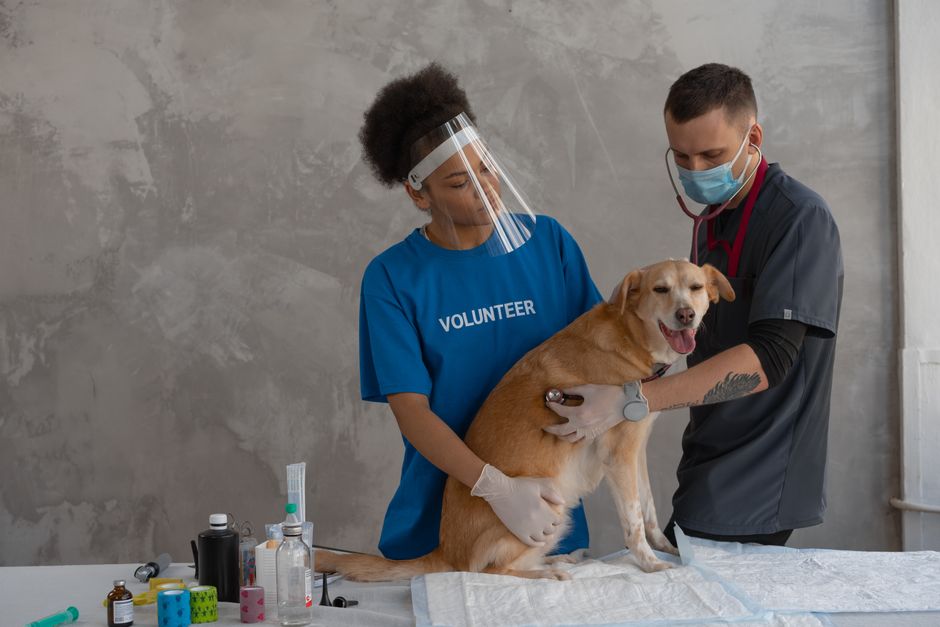
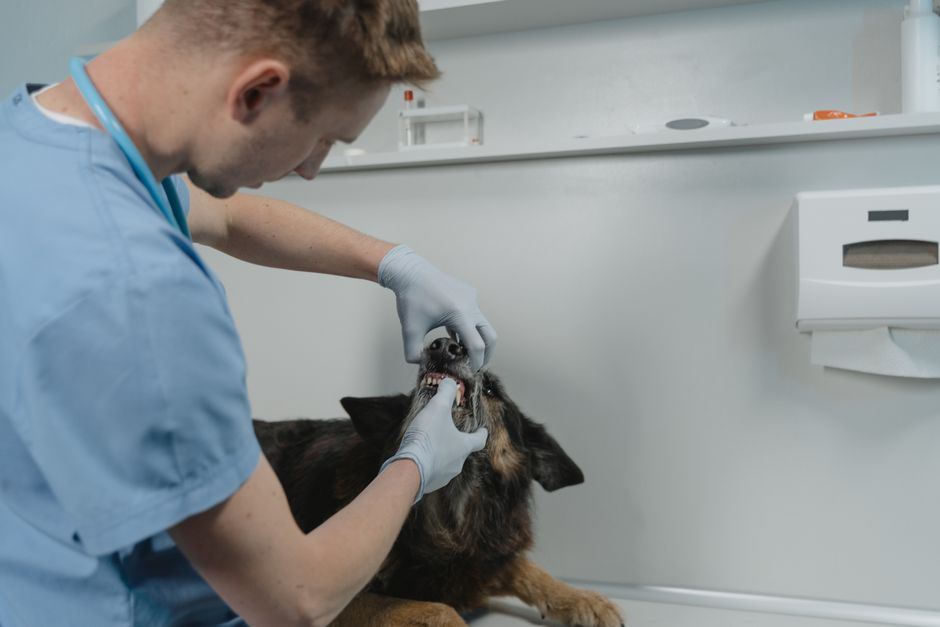
If you suspect your dog or cat is suffering from allergies, scheduling an appointment with our veterinary professionals is the best way to find answers and relief. At Wellswood Midtown Animal Hospital, our veterinarians start by performing a thorough physical examination, discussing your pet’s history, and asking questions about their symptoms and environment. This helps us determine whether allergies are likely and what further testing may be necessary.
Diagnostic steps may include skin scrapings to rule out mites or infections, blood tests to check for underlying health issues, and specialized allergy testing to pinpoint specific triggers. For pets with chronic or severe symptoms, we may recommend pet allergy testing and dermatology services in Tampa to identify environmental allergens and guide targeted treatment.
Treatment approaches depend on your pet’s needs, but often involve a combination of therapies. These can include prescription medications to control itching and inflammation, medicated shampoos or topical treatments to soothe the skin, and recommendations for hypoallergenic diets if food sensitivity is suspected. For pets with persistent allergies, immunotherapy (allergy shots or oral drops) may help desensitize the immune system over time. Our veterinary team also emphasizes the importance of effective flea prevention, since flea allergy dermatitis is an especially common and severe problem in the Tampa area.
Managing Allergies at Home: Practical Steps for Tampa Pet Owners
While professional veterinary care is essential for diagnosing and treating allergies, there is a lot you can do at home to help your pet stay comfortable during peak allergy season. Bathing your pet regularly with a gentle, veterinarian-approved shampoo can help remove pollen, mold spores, and other allergens from their coat and skin. Wiping your pet’s paws, belly, and face after outdoor walks can reduce the amount of pollen they bring indoors. Washing bedding and vacuuming frequently can minimize indoor allergen buildup, especially in homes with carpets or upholstered furniture.
Maintaining year-round flea prevention is absolutely crucial in Tampa’s climate. Even indoor pets can be exposed to fleas, and controlling this risk helps prevent severe itching and secondary skin infections. If your pet has been prescribed allergy medications or topical treatments, be sure to follow your veterinarian’s instructions carefully for the best results.
For pets with food sensitivities, work with our veterinary team to identify appropriate diets and avoid treats or table scraps that might trigger symptoms. Keep an eye on your pet’s skin, ears, and behavior, and make note of any changes or flare-ups so you can discuss these with your veterinarian at your next appointment.
When to Schedule a Veterinary Visit for Your Pet’s Allergies
Knowing when to seek professional help is key to managing your pet’s allergies effectively. If your pet’s itching becomes constant, if you notice hair loss, open sores, or signs of infection such as redness or odor, it’s time to call our veterinary professionals. Persistent ear infections, swelling, hives, or respiratory symptoms like coughing and wheezing also warrant prompt attention. Early intervention can prevent more serious complications and help your pet recover faster.
It’s especially important to reach out if your pet’s symptoms are affecting their quality of life, such as interfering with sleep, eating, or play. Allergies can be uncomfortable, but with the right support, most pets can enjoy a happy, active life in Tampa—even during peak allergy season. If you’re unsure whether your pet’s symptoms are due to allergies or another condition, our veterinarians are here to provide a thorough evaluation and recommend the best course of action.
Supporting Your Pet’s Health All Year Long
At Wellswood Midtown Animal Hospital, we understand how challenging it can be to watch your beloved dog or cat struggle with allergies. Our veterinary team is committed to providing personalized, expert care for every pet and every family we serve in Tampa and the surrounding communities. If you’re searching for a “vet near me” who truly understands the local climate and its impact on your pet’s health, look no further than our AAHA-accredited hospital.
If you notice signs of allergies in your pet this September, don’t wait for symptoms to worsen. Schedule an appointment with our compassionate veterinarians by calling (813) 877-1979 or visiting us at 4129 N Armenia Ave # A, Tampa, FL 33607. To learn more about our specialized pet allergy testing and dermatology services in Tampa, explore our website or speak with a member of our team. We’re here to help your pet find lasting relief from allergies, so you can both enjoy the best that Tampa has to offer—no matter the season.
This blog is intended for informational purposes only and should not replace professional veterinary advice. If you have concerns about your pet’s health, please contact our veterinary team for a personalized evaluation and treatment plan.