How To Prevent Pet Skin Problems In Tampa’s Fall Weather
How To Prevent Pet Skin Problems In Tampa’s Fall Weather
As the summer heat begins to fade and Tampa welcomes the milder days of fall, many pet owners find themselves asking: why does my dog or cat seem itchier this time of year? At Wellswood Midtown Animal Hospital, located right here at 4129 N Armenia Ave # A, Tampa, FL 33607, we often see an uptick in skin concerns during the autumn months. From sudden scratching to red, irritated patches, fall skin problems in pets can be frustrating for both you and your furry companion.
This blog will guide you through the most common fall skin issues affecting dogs and cats in Tampa, how to recognize the signs early, and what steps you can take at home and with our veterinary team to keep your pet’s skin healthy. We will also explain why Tampa’s unique climate can pose special challenges and what preventive measures you can implement now to help your pet enjoy the season comfortably. Whether you are noticing mild itching or more concerning skin changes, our team is here to provide support and solutions tailored to your pet’s needs.
Recognizing Skin Problems in Tampa Pets This Fall
Understanding the early warning signs of skin problems can help you act quickly and prevent more serious discomfort for your pet. In Tampa’s fall weather, key symptoms to watch for include persistent scratching, licking, or chewing at the skin; redness or inflammation; hair loss or thinning; scabs, bumps, or sores; and the appearance of dry, flaky patches. Additionally, you may notice your pet shaking their head more often or rubbing their face against furniture, which can signal irritation around the ears or muzzle.
If you observe these behaviors, take note of when they occur and whether they seem to worsen after your pet has been outside. Sometimes, skin issues are localized, such as redness between the toes or hot spots on the belly, while other times they may affect larger areas. Even mild symptoms can be the first sign of a developing skin condition, so early recognition is key to preventing escalation.
Why Do Tampa Pets Get Skin Issues in the Fall?
Tampa’s fall brings cooler temperatures and less rainfall than the peak of summer, but the humidity often remains high and environmental allergens shift with the season. One of the most common causes of fall skin problems in pets is an increase in seasonal allergens such as ragweed, mold spores, and certain grasses that thrive in the autumn climate. These allergens can trigger reactions in sensitive pets, with symptoms ranging from mild itching to more severe dermatitis.
Additionally, the lingering humidity combined with cooler nights can create an ideal environment for fungi and bacteria on your pet’s skin, particularly in areas where moisture gets trapped. For pets with underlying conditions such as flea allergy dermatitis or food sensitivities, fall can also be a time when flare-ups become more noticeable, especially if preventive routines lapse during the transition from summer.
Bathing habits may also change as outdoor activities increase or decrease, affecting your pet’s skin barrier. Dogs and cats that spend more time at parks or on walks may come into contact with more environmental debris, while those that spend more time indoors may experience drier air from climate control, leading to flaky or irritated skin.
How Wellswood Midtown Animal Hospital Treats Pet Skin Conditions
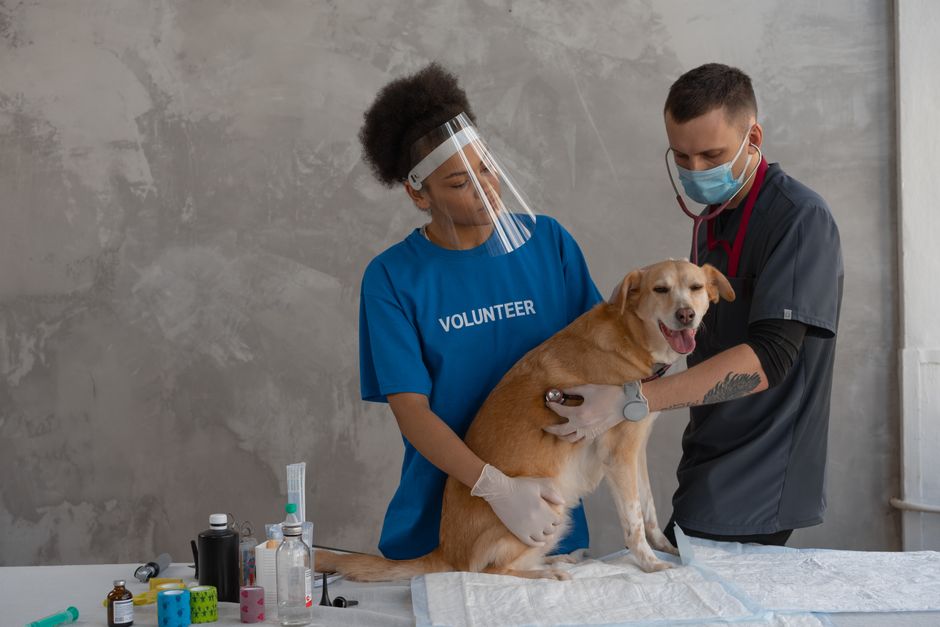
If your pet develops a skin problem this fall, our team of veterinarians at Wellswood Midtown Animal Hospital offers comprehensive dermatology care tailored to your pet’s comfort and long-term health. Treatment approaches depend on the underlying cause, which we determine through a thorough examination and, when needed, diagnostic testing. Many cases begin with a detailed history and a close look at your pet’s coat, skin, and overall health.
For suspected allergies, we may recommend pet dermatology and allergy testing services in Tampa to identify specific triggers. Our in-house laboratory diagnostic services allow us to quickly evaluate skin samples or rule out infections. When infections are present, treatment options involve medicated shampoos, topical ointments, or oral medications to address bacteria, yeast, or parasites. For more complex cases or chronic issues, integrative therapies such as laser treatment or acupuncture may be discussed as part of a holistic plan.
Throughout the process, our veterinary professionals will explain each step and help you understand what to expect, from the initial consultation to follow-up care. We also provide guidance on home routines and preventive strategies to minimize the risk of future flare-ups.
Preventing Fall Skin Problems: What Pet Owners Can Do at Home
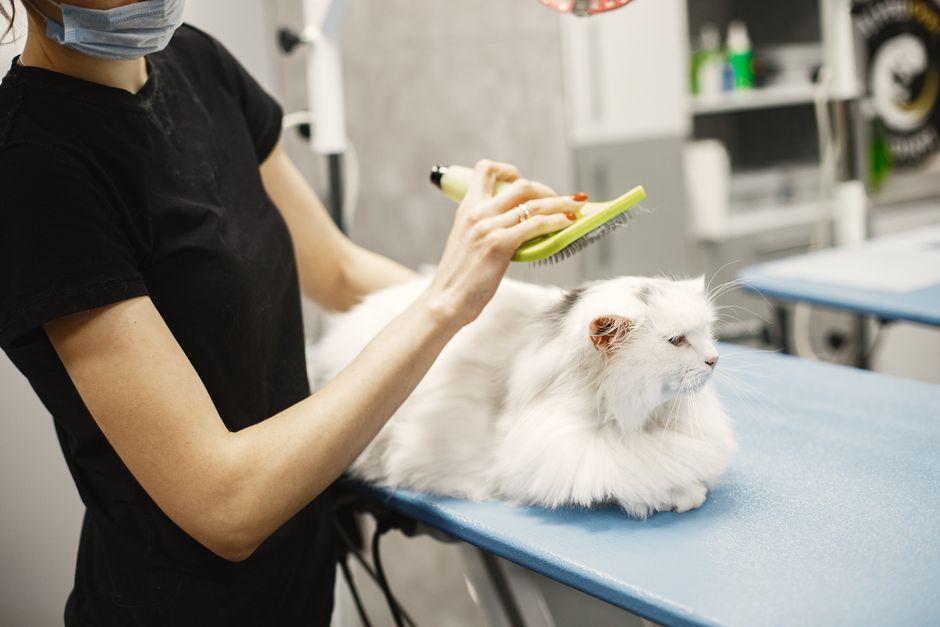
While some skin issues require medical intervention, many can be prevented or managed with simple adjustments in your pet’s daily care. Steps you can take at home include regular grooming to remove loose fur and allergens, using gentle pet-safe shampoos, and keeping your pet’s bedding clean and dry. For pets with longer coats or those prone to matting, more frequent brushing in the fall can help prevent tangles and trap fewer irritants against the skin.
Consider scheduling professional pet grooming services or pet bathing services at our clinic to ensure your pet’s coat is in top condition, especially after outdoor adventures. Monitoring your pet’s diet and providing high-quality food rich in essential fatty acids supports healthy skin from the inside out.
Additionally, be mindful of environmental allergens. Wiping your pet’s paws and belly after walks can reduce the amount of pollen and mold they bring indoors. Maintaining a clean living space and using air filters may also help, particularly for pets with severe environmental sensitivities.
When to Schedule a Veterinary Visit
It is important to know when at-home care is not enough and your pet needs professional attention. If your dog or cat’s itching is constant, skin lesions develop, or you notice bleeding, oozing, or a foul odor from the skin, schedule an appointment as soon as possible. Other warning signs include sudden changes in behavior such as restlessness, frequent head shaking, or loss of appetite, which may indicate discomfort or infection.
Chronic or recurring skin issues should always be evaluated by a veterinarian, as they can sometimes signal underlying health conditions that require targeted treatment. Our team at Wellswood Midtown Animal Hospital is equipped to provide a full evaluation and personalized recommendations for your pet’s specific needs.
If you are uncertain whether your pet’s symptoms warrant a visit, our veterinary team is happy to offer guidance over the phone or during a wellness examination. Early intervention can prevent complications and help your pet return to feeling their best more quickly.
Supporting Healthy Skin Year-Round in Tampa
Fall in Tampa brings unique opportunities and challenges for pet skin health, but with the right knowledge and support, you can help your pet thrive. By staying alert to changes in your pet’s skin or behavior, maintaining a consistent grooming routine, and working closely with your veterinary team, you can minimize discomfort and prevent many common issues.
If you are searching for a veterinarian near me who truly understands Tampa’s seasonal pet health needs, Wellswood Midtown Animal Hospital is here to help. Whether you need advice on daily care, specialized diagnostic testing, or ongoing support for a chronic condition, our compassionate veterinary professionals are dedicated to your pet’s comfort and wellbeing.
To schedule an appointment or discuss your concerns, call us at (813) 877-1979 or visit our hospital at 4129 N Armenia Ave # A, Tampa, FL 33607. Our team is committed to providing exceptional care for pets in Tampa and surrounding communities, keeping your furry friend happy, healthy, and itch-free all season long.