Winter Pet Care Tips for Tampa’s Mild December
Winter Pet Care Tips for Tampa’s Mild December
As the cooler months settle in, pet owners across Tampa begin to wonder how winter’s milder touch might affect their furry companions. While December in Tampa rarely brings freezing temperatures, the seasonal changes still present unique challenges for pets and their families. At Wellswood Midtown Animal Hospital, located conveniently in Tampa, FL, our veterinary team is committed to helping you keep your pets comfortable, healthy, and happy all year round.
In this guide, we’ll explore practical winter pet care tips tailored for Tampa’s climate, from maintaining healthy skin and coats to managing outdoor activities and understanding the importance of preventive veterinary checkups. Whether you’re seeking seasonal pet health tips or searching for a “vet near me,” you’ll find advice here that helps you provide the best care for your animal companion this winter. If you’re interested in more proactive care, our wellness examination services in Tampa offer a great foundation for a healthy season.
Recognizing Winter Wellness Concerns for Tampa Pets
Even in Florida’s milder climate, winter weather can subtly impact your pet’s wellbeing. Pet owners sometimes notice changes in their animal’s behavior or appearance as the season shifts. Key signs that your pet may be affected by cooler temperatures include dry or flaky skin, a dull coat, increased scratching, reluctance to go outside, or changes in energy levels. Additionally, some pets may develop sensitivities to indoor allergens as families spend more time inside with closed windows.
For dogs and cats who love their outdoor time, you might observe that they hesitate when heading out in the morning or seek warmer places to rest. Older pets or those with arthritis may show signs of stiffness or discomfort, especially after lying down for extended periods. Recognizing these changes early can help you address small issues before they develop into bigger health concerns.
Why Tampa’s Mild Winters Still Matter for Pet Health
While Tampa doesn’t face snow or ice, the shift in temperature and humidity during December can influence several aspects of your pet’s health. The cooler air, combined with drier conditions indoors from heaters or reduced ventilation, can lead to dry skin and other minor irritations. Pets with short fur, thin body types, or underlying health conditions may be more sensitive to even slight drops in temperature.
Additionally, the holiday season often brings changes in routine, new visitors, and festive foods that can add stress or pose health risks for pets. Tampa’s lush winter landscapes also mean allergens like mold, grass, and pollen can persist year-round, impacting pets who have sensitivities. Understanding these seasonal pet health tips is the first step in keeping your companion happy and healthy all winter long.
Supporting Your Pet’s Health: Professional Care and At-Home Strategies
Routine Veterinary Wellness Examinations
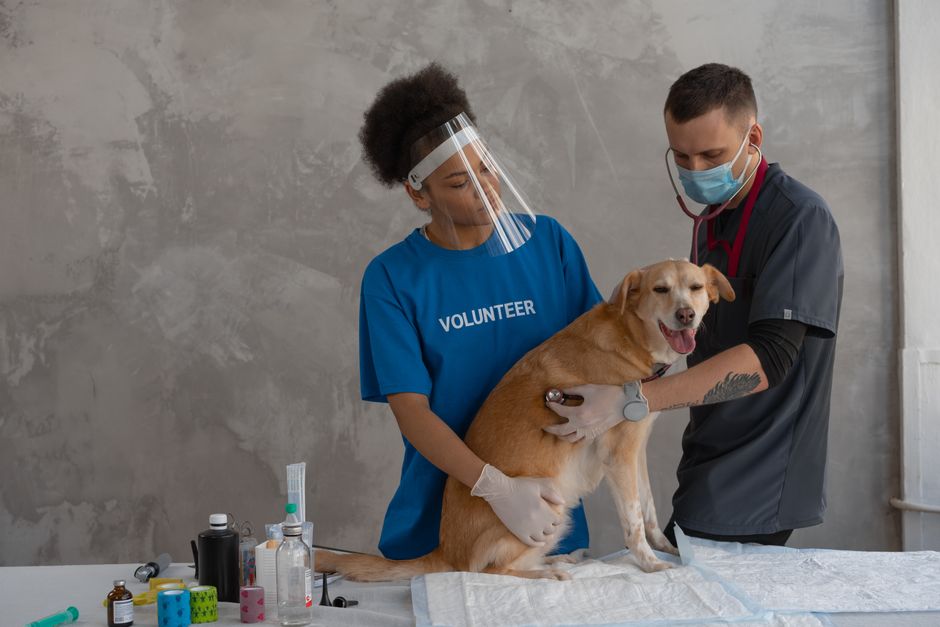
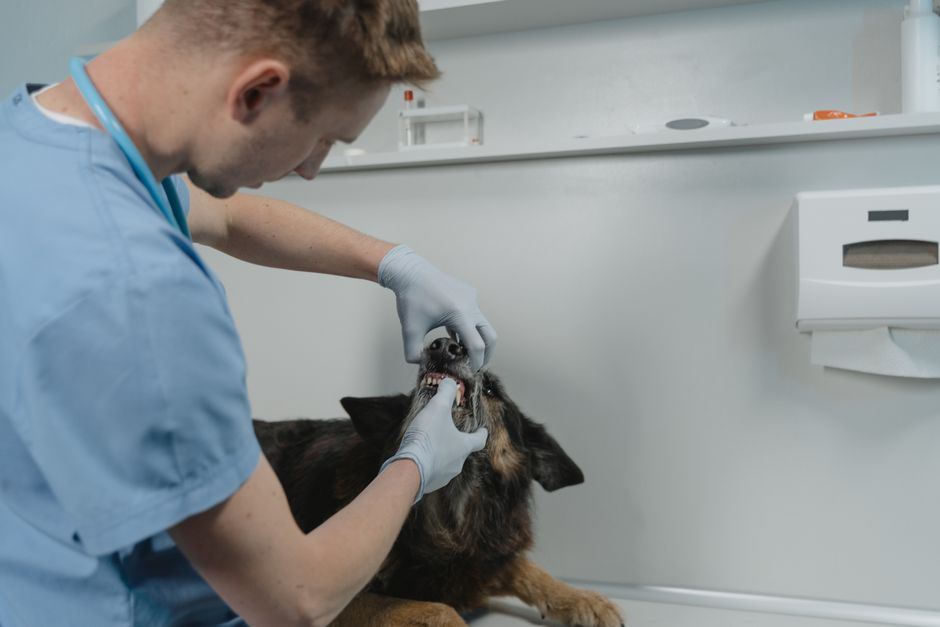
One of the best ways to safeguard your pet’s health each winter is through regular wellness visits. A thorough checkup allows our veterinary team to assess your pet’s skin, coat, weight, joints, and overall condition, ensuring any seasonal changes are detected early. At Wellswood Midtown Animal Hospital, our comprehensive pet exam services in Tampa evaluate everything from your pet’s hydration status to their dental health.
During these visits, our veterinarians may recommend updates to your pet’s vaccination schedule, discuss parasite prevention, and suggest tailored nutrition advice for the winter months. For pets with allergies or chronic skin conditions, periodic allergy testing and dermatology services in Tampa can help manage symptoms year-round.
Managing Dry Skin and Coat Care
As the air dries out, many pets develop flaky or itchy skin. Signs of discomfort include excessive scratching, licking, or visible dandruff. To support healthy skin and coat, consider regular grooming to remove loose hair and debris. Bathing should be done with gentle, pet-safe shampoos to avoid stripping natural oils. If your pet is prone to dry skin, ask our veterinarians about conditioners or supplements that promote skin health.
Providing access to fresh water at all times is essential, as hydration supports both skin and overall wellness. Monitoring your pet’s coat for changes, such as dullness or patchy fur, can alert you to underlying health issues that may require a professional evaluation.
Staying Active and Safe Outdoors
Even in Tampa’s winter, pets benefit from daily exercise and fresh air. However, pay attention to cooler mornings and evenings, especially for short-haired breeds or senior pets. Signs that your pet may be uncomfortable during outdoor activities include shivering, reluctance to walk, or seeking shelter quickly. Adjusting walk times to the warmer parts of the day and dressing sensitive pets in lightweight sweaters can help them enjoy the outdoors safely.
Be mindful of seasonal hazards, such as holiday decorations, antifreeze spills, or leftover food in parks, which can pose risks. Keeping your pet on a leash and supervising playtime helps prevent accidental ingestion of harmful substances or encounters with unfamiliar animals.
Home Environment Adjustments for Seasonal Comfort
Small changes at home can make a big difference in your pet’s comfort. Providing cozy bedding in draft-free areas ensures your pet has a warm place to rest. Washing bedding regularly can reduce allergens and keep the environment clean. If your pet spends time on patios or porches, check that these spaces remain safe and comfortable during cooler nights.
For pets with arthritis or mobility issues, consider ramps or softer bedding to ease joint pressure. Monitoring your pet’s weight through the winter is also important, as decreased activity levels can lead to unwanted weight gain, which may exacerbate joint discomfort.
When to Seek Veterinary Care During Tampa’s Winter
While many winter pet care concerns can be managed at home, certain signs signal the need for professional attention. If your pet experiences persistent dry skin, hair loss, sores, or shows signs of pain when moving, it’s important to schedule an appointment with your veterinarian. Sudden changes in appetite, lethargy, vomiting, coughing, or breathing difficulties are always reasons to consult your veterinary team promptly.
For pets with chronic health conditions, new or worsening symptoms during winter should be evaluated to ensure their management plan is still effective. The team at Wellswood Midtown Animal Hospital is here to guide you through any seasonal health challenges and provide expert support tailored to your pet’s unique needs.
If you’re searching for a “quality vet near me” who understands the nuances of winter pet care Tampa pet owners face, our Wellswood Wellness Plans offer year-round preventive care designed for your peace of mind.
Your Next Steps for Winter Pet Wellness in Tampa
Winter in Tampa may be mild, but your pet’s health still depends on proactive care and a watchful eye for seasonal changes. Keeping up with regular wellness examinations in Tampa, monitoring for subtle signs of discomfort, and making thoughtful adjustments at home all contribute to a comfortable, happy season for your pet.
Our veterinary professionals at Wellswood Midtown Animal Hospital are dedicated to providing comprehensive seasonal pet health tips and personalized care for every family in Tampa and surrounding communities. If you have questions about winter pet care Tampa families trust, or you’re looking for the best “vet near me,” our team is here to help.
To schedule an appointment for your pet’s winter checkup or to learn more about our services, call us at (813) 877-1979. Let us be your partner in ensuring your pet’s health and happiness throughout every season.
This blog is intended for informational purposes only and does not replace professional veterinary advice. Always consult your veterinarian with questions or concerns about your pet’s health. For more information on local animal care resources, visit the American Veterinary Medical Association or AAHA’s Healthy Pet.
Final Internal Link Verification: